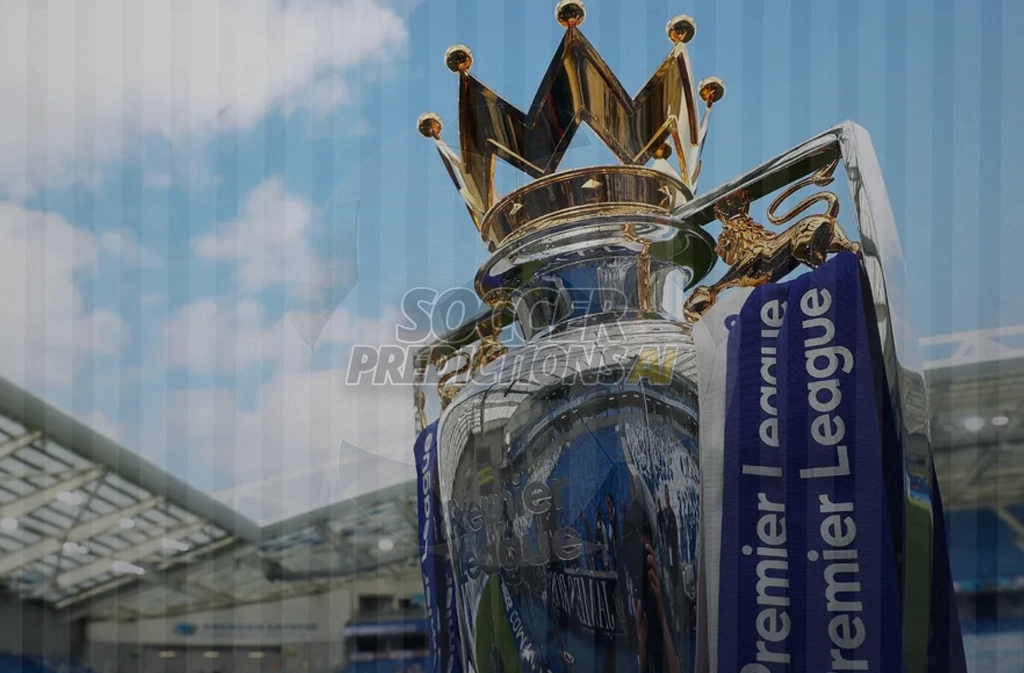
The English Football League has confirmed a significant shake-up to one of the most lucrative and watched end-of-season events in world football: from the 2026/27 campaign, the Championship promotion play-offs will expand from four teams to six.
In practical terms, that means the clubs finishing seventh and eighth in the table will be brought into the promotion picture, joining the sides placed third through sixth in a reworked play-off bracket that still culminates with the traditional Wembley final in May.
The basic structure of promotion remains intact at the top end. The Championship champions and runners-up will continue to go up automatically to the Premier League, preserving the value of finishing in the top two across a long, demanding season. The change is entirely focused on the final promotion spot, which has historically been decided via a four-team mini-tournament involving the teams finishing third, fourth, fifth and sixth. That format produced two-legged semi-finals followed by a one-off final at Wembley, with the winner earning a place in the top flight and the enormous sporting and financial uplift that comes with it.
From 2026/27, the battle for that last ticket becomes broader and, inevitably, more chaotic. Under the new model, teams finishing third and fourth will be rewarded with direct qualification to the semi-finals, effectively earning a bye past an extra knockout round. The remaining two semi-final places will be settled in single-leg ties involving the clubs that finish between fifth and eighth. Those one-off matches will act as a preliminary play-in round, after which the bracket returns to the familiar two-legged semi-final stage. The final remains a single match at Wembley, keeping the showpiece occasion that has become a defining feature of the English season.
The EFL’s decision carries a few clear competitive consequences.
First, the promotion race becomes deeper for longer. In the current system, once a team drifted outside the top six, the path to promotion effectively closed unless there was a late surge. With seventh and eighth now included, more clubs are likely to remain in contention late into the campaign, which can raise the intensity of the final weeks and increase the number of high-stakes matches across the division.
Second, it changes the value of specific league positions. The incentives around finishing third or fourth become even sharper, because those spots now come with a tangible advantage: skipping an entire do-or-die round. In contrast, finishing fifth to eighth will mean one extra high-pressure game just to reach the semi-finals, potentially with less recovery time and a greater physical toll. That creates a stronger stratification between tiers inside the play-off zone: third and fourth are not just “in the play-offs”, they are in a privileged lane.
Third, the new format introduces a different kind of risk. Single-leg ties are inherently more volatile than two-legged contests because a single moment, refereeing decision, red card, or set piece can swing everything. For the teams finishing fifth to eighth, the margin for error becomes extremely thin. For supporters, that volatility often translates into drama. For clubs, it can feel brutal, because a season’s worth of work can be undone in one night.
There is also a broader sporting debate that tends to follow any play-off expansion: fairness versus entertainment. Critics will argue that opening the door to seventh and eighth increases the chances that a team that finished further behind the leaders can still be promoted, potentially at the expense of a club that was clearly stronger across the full league season. Supporters of the change will counter that the Championship is already built on competitiveness, and that the play-offs are designed specifically to provide a high-stakes pathway where form, mentality and pressure-handling matter as much as consistency over forty-six matches.
Tactically and psychologically, the expansion can alter late-season behaviour. Teams on the edge of the play-off places may adopt different strategies in the final run-in, knowing that eighth is now “good enough” to extend the season. That could make some matches more cautious, but it could also increase urgency in direct head-to-head clashes among clubs competing for those new spots. Meanwhile, teams in third and fourth may manage squads more carefully to protect their semi-final berth, while still pushing to avoid being dragged into the extra round.
The calendar impact is another obvious knock-on. Adding a preliminary play-in round means additional fixtures in an already crowded period of the season, which can affect preparation, recovery, and injury risk. It also creates a scenario where a team coming through the extra round may arrive at the semi-finals with momentum but also fatigue, while third and fourth arrive fresher but perhaps slightly colder in match rhythm. Those are the kinds of details that can decide tight ties.
What will not change is the final’s status as a marquee event. The Wembley showpiece remains one of the most watched domestic matches anywhere, and the stakes will be the same: a place in the Premier League and the step up in profile, revenue potential, and recruitment power that promotion typically brings. The difference is that, from 2026/27, more clubs will be allowed to dream of getting there, and more clubs will feel that their season is alive until the very end.
In short, the EFL has chosen to make the promotion race wider, the play-off pathway longer for some, and the late-season narrative even more intense. Whether it is viewed primarily as a sporting adjustment or as a move designed to increase drama and engagement, it will reshape how Championship seasons are played and how finishing positions are valued from 2026/27 onwards.