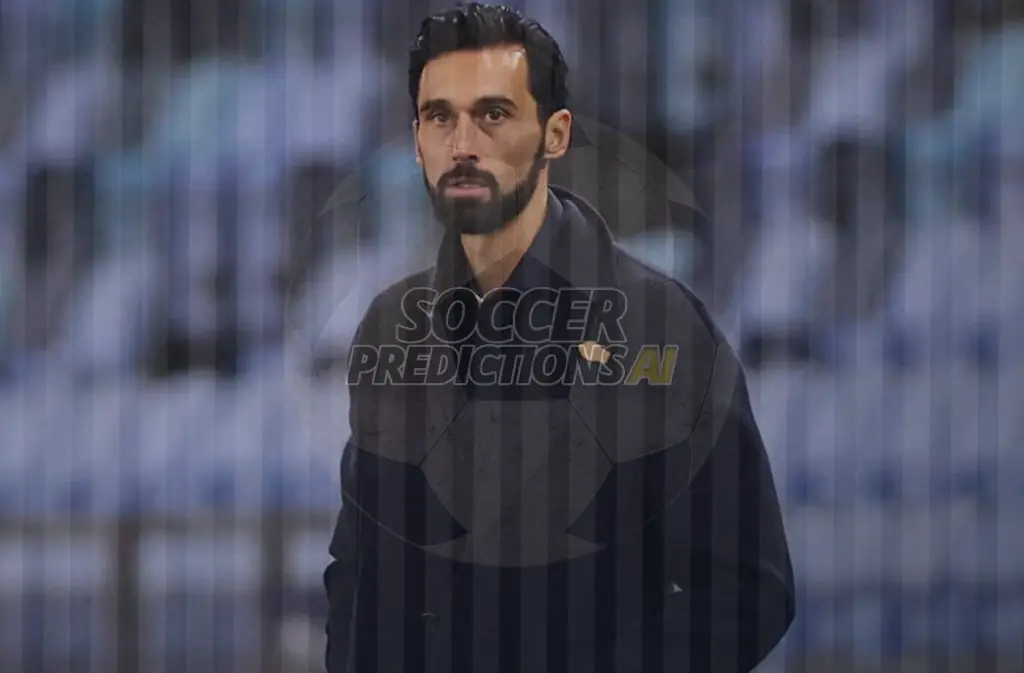
Real Madrid are reportedly already contacting potential coaches for next season after Álvaro Arbeloa’s first match ended in a 3-2 Copa del Rey loss to Albacete, fueling criticism and doubts over his long-term future.
Real Madrid’s decision to appoint Álvaro Arbeloa as the successor to Xabi Alonso is already being treated in Spain as a provisional solution rather than a definitive long-term bet, after his first match in charge ended in a 3–2 defeat to Albacete in the Copa del Rey round of 16.
The result has proved far more damaging than a normal debut setback, not only because of the opponent and the knockout context, but also because it has accelerated an existing narrative of institutional instability, sporting urgency, and diminishing patience in a season where margins are tight and expectations are absolute.
Arbeloa, promoted from the club’s B team structure, walked into one of the most demanding coaching environments in European football: a first team built to compete immediately for major trophies, under constant media scrutiny, and operating within an ecosystem where every short run of results is interpreted as a referendum on the club’s broader direction. In that context, the Albacete loss has been framed by several Spanish outlets less as an isolated cup upset and more as a symptom of deeper, ongoing issues that Real Madrid have not resolved through coaching changes alone.
According to Mundo Deportivo, citing the Cadena SER radio programme El Larguero, the club’s leadership has already begun contacting coaches for next season, starting this morning. The key point in that reporting is not simply that Real Madrid are sounding out alternatives, which is common practice at elite clubs, but the timing and intent attributed to those contacts. The message being relayed is that Arbeloa is viewed internally as a temporary appointment, a bridge to a more established head coach rather than the face of a new project.
If that interpretation is accurate, it suggests Real Madrid’s board may be pursuing a dual-track approach. Publicly, Arbeloa takes charge and attempts to stabilise performances in the immediate term. Privately, the club evaluates the broader market for the next cycle, identifying candidates who fit the sporting model, the squad profile, and the institutional politics that come with the job. This approach can be rational from a governance standpoint, especially if the club believes the current season is too volatile to gamble on a first-time first-team coach as a definitive solution. However, it also carries significant risks, particularly around authority, dressing-room dynamics, and external narrative control.
From a sporting perspective, the problem Real Madrid face is that an early Copa del Rey exit eliminates one of the most direct routes to silverware and removes a competition that can often serve as a pressure-release valve during turbulent periods. Knockout football also tends to magnify the emotional weight of individual matches. A league stumble can be reframed as a temporary dip. A cup elimination is final, and the club loses both a trophy opportunity and a set of high-profile fixtures that can generate momentum. In a club like Real Madrid, that kind of failure triggers immediate questions about responsibility, leadership, and the robustness of the sporting plan.
The criticism of Arbeloa’s debut in Spain has also been shaped by optics and expectations. Promoting from within is sometimes presented as a move designed to restore identity, intensify standards, and reinforce the club’s culture. Arbeloa embodies that profile as a former Real Madrid player and a coach familiar with the academy pipeline. The expectation, fairly or unfairly, is that such a figure should be able to rapidly impose intensity and clarity. When the first match ends in a defeat that is widely portrayed as embarrassing, the narrative flips quickly: instead of “identity and renewal,” the story becomes “inexperience and improvisation.”
That matters because Real Madrid’s coaching environment is uniquely sensitive to perception. If players sense that a coach is a short-term caretaker, it can subtly erode the authority required to enforce difficult decisions. Squad leaders may become more focused on protecting their own positions. Fringe players can interpret selection as temporary. And the collective may start playing with a kind of institutional anxiety, as if waiting for the next change rather than committing fully to the current plan. Even if the group respects Arbeloa personally, the external framing of him as “interim” can become self-fulfilling if it seeps into the dressing room.
This is why the reported early outreach to other coaches is such a significant detail. It is not merely a transfer-market style “monitoring” exercise. It is a signal, at least in public perception, that Real Madrid are already planning beyond Arbeloa. At a minimum, it puts the club’s communication strategy under pressure. The board either has to manage expectations carefully, backing Arbeloa convincingly in the short term, or risk creating a continuous cycle of speculation that destabilises the team further.
It also raises questions about the original decision-making process. If Arbeloa was always intended as a stopgap, then the club’s leadership may have concluded that the ideal long-term candidate was not available immediately, or that mid-season upheaval required a familiar internal figure who could step in without protracted negotiations. Clubs sometimes do this to buy time, avoid an expensive short-term contract that complicates future hiring, or to align the eventual appointment with the summer planning window. But if Arbeloa was chosen as a genuine successor and is now being treated as temporary after one match, that would suggest a reactive posture, which tends to invite more scrutiny over the board’s sporting competence.
First, results and performance indicators in the next set of matches. Real Madrid do not simply need wins, they need a visible shift in fundamentals: intensity, organisation, defensive control, and emotional resilience. A series of solid, convincing performances can dampen speculation and create breathing room, even if the club continues to explore options quietly.
Second, the emergence of concrete names. Right now, the reporting you shared speaks in terms of “contacting coaches” rather than identifying specific targets. The moment credible outlets begin associating particular candidates with Real Madrid, the pressure intensifies, because it makes the “temporary” framing feel more real and more immediate.
Third, internal messaging. How Real Madrid publicly position Arbeloa matters. Strong backing, consistent language from senior figures, and a clear sporting narrative can stabilise the environment. Vague statements, leaks, or mixed signals will accelerate uncertainty.
In summary, the Albacete defeat has not only sparked criticism of a single performance, it has triggered a broader credibility test for Real Madrid’s sporting direction. The reporting from Mundo Deportivo, referencing El Larguero on Cadena SER, frames the club as already preparing a post-Arbeloa plan, reinforcing the idea that his appointment is transitional. Whether that becomes reality will depend on how quickly Real Madrid can restore control on the pitch and how effectively the club can manage the inevitable speculation that follows any perceived instability at the top.